

Популярные статьи
- Государственно-частное партнерство: теория и практика
- Международный форум по Партнерству Северного измерения в сфере культуры
- Мировой финансовый кризис и его влияние на Россию
- Совершенствование оценки эффективности инвестиций
- Теория экономических механизмов
- Кластерный подход в стратегии инновационного развития зарубежных стран
- Качество и уровень жизни населения
- Фактор времени при оценке эффективности инвестиционных проектов
- Государственная собственность в российской экономике - Масштаб и распределение по секторам
- Вопросы оценки видов социального эффекта при реализации инвестиционных проектов
- Особенности нового этапа инновационного развития России
- Перспективы социально-экономического развития России
- Экономический кризис в России: экспертный взгляд
- Налоговые риски
Популярные курсовые
- Учет нематериальных активов
- Потребительское кредитование
- Бухгалтерский учет - Курсовые работы
- Финансы, бухгалтерия, аудит - курсовые и дипломные работы
- Денежная система и денежный рынок
- Долгосрочное планирование на предприятии
- Диагностика кризисного состояния предприятия
- Интеграционные процессы в современном мире
- Доходы организации: их виды и классификация
- Кредитная система: место и роль в ней ЦБ и коммерческих банков
- Международные рынки капиталов
- Многофакторный анализ производительности труда
- Непрерывный трудовой стаж
- Виды и формы собственности и трансформация отношений собственности в России
- Анализ финансово-хозяйственной деятельности
Навигация по сайту
Bloomberg Businessweek (December 2025) |
| Скачать - Журналы | |
|
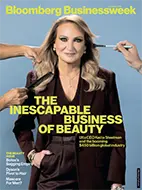
Год выпуска: December, 2025 Автор: Bloomberg Businessweek Жанр: Бизнес Издательство: «Bloomberg Businessweek» Формат: PDF (журнал на английском языке) Качество: OCR Количество страниц: 100 The Beauty EconomyBeauty has been breaking women’s budgets—and sometimes their bones—for thousands of years: Women in ancient Egypt mixed crocodile dung and sour milk into a skin-smoothing face mask; in Elizabethan England, they squeezed themselves into disfiguring corsets and covered their bodies in (toxic) lead paint to get an alabaster glow; Chinese courtiers bound their feet to keep them child-size; Greek women would affix ox hair onto their faces, at times with needles (risking infection), to achieve the ideal unibrow. As absurd and harrowing as these practices might sound, they made perfect economic sense: For centuries, women were largely excluded from the formal economy, and investing in beauty was one of the few ways a woman could control her financial destiny (in other words, lure a wealthy man). As long as the unibrow didn’t kill her first. Across centuries, continents and cultures, women’s relationship with beauty has always been something of a paradox, serving as both a tax and a source of power. It’s also proven to be a pretty bulletproof business (page 25). Even as women gained footing in the formal economy, investing in beauty only grew. (Suffragettes were famous for their red lipstick.) Stranger still, when times are lean and people start cutting back, beauty sales often see a bump. This phenomenon, known as the “lipstick effect,” gained notoriety when Leonard Lauder noticed sales at his makeup empire, Estée Lauder Cos., ticking up during economic downturns. Until recently, the prevailing theories suggested that when the economy was unstable, women would invest in their looks to attract a man or—the slightly less rage-inducing explanation—gussy up for job interviews. “Oh, I was bothered by this,” says University of California economist Yasemin Dildar. “Not just because it’s sexist, but I believed it wasn’t true.” In 2020, she and a colleague dug into the lipstick effect, examining consumer data from the Great Recession. Dildar found that single women, during downturns, didn’t spend more on beauty than their cuffed counterparts (a little less, in fact) and that job seekers did not outspend employed women. Instead, the bump in beauty buying corresponded with cutbacks in spending on pricier items, such as clothing and jewelry. The lipstick uptick, it turned out, “had nothing to do with mating or beauty. It was a substitution,” Dildar says. “Just a simple treat.” Somewhere along the way, the beauty business had transformed from providing tools to help bait a high-earning mate to offering a budget-friendly vehicle for selfcare. “I do it,” Dildar says with a laugh. “When I’m stressed out, I buy eyeshadow palettes. I think I have like six of them.” Right now the lipstick indicator is flashing red. Evan Sheehan, consumer products lead for Deloitte, says consumer spending is dropping for the first time in years, but beauty sales are going strong. “People are looking for something that will provide some relaxation and comfort,” he says. Especially striking: Very young women have started outspending older generations. Teenagers are quickly becoming some of beauty’s biggest customers. “It’s definitely social media,” says Kyla Scanlon, a bestselling author and influencer. “The beauty obsession is a real consequence of the digital economy.” During the pandemic, Scanlon started making explainer videos about the economy. Her smart, accessible content attracted millions of followers, and while most viewer comments were about economics, some, inevitably, were about her looks. “People tell me, ‘You look tired,’ or ‘You look sad.’” Scanlon’s personal style is natural and casual; in her videos, she’s typically in a T-shirt and rarely wears makeup. Still, the comments roll in. “At one point I cut off all my hair, and all of these people wrote to me, like, ‘You shouldn’t have done that! I liked it better long.’” It’s a strange conundrum for Scanlon. She’s spoken at the White House and the Federal Reserve and at conferences all over the world about the importance of economic education, and yet, she spends a lot of time worrying about how she looks. Being constantly visible and appealing to young scrollers is at the core of her business. “I think about aging all the time,” she says. “Which is nuts. I’m 28. But I’m just always afraid people are going to not pay attention anymore, and they’re going to go find somebody else.” When someone’s “Get Ready With Me” video can attract an audience of millions, it’s not surprising women’s—and men’s— relationship with beauty is reaching a new intensity: From lip filler to Korean skin care to baby Botox (for those who don’t yet have wrinkles) to the quixotic quest for “glass skin,” young consumers are spending big on beauty. As they grow older and wealthier, beauty is poised to profit. In times of economic uncertainty, dropping $40 on lipstick might seem foolish, but historically speaking, it’s one of the most fail-safe investments a woman can make—whether you’re ensnaring the viscount, fighting for your rights, chasing likes or just cheering yourself up after a hard day at work. We may have swapped crocodile dung for salmon sperm (yes, this is a real TikTok trend), but beauty remains women’s oldest and most reliable economic frenemy. Remarks
Beauty
Next-generation nuclear companies have risky plans to muscle their way past regulators More people than ever use AI. Some end up in very dark places A 3D-printed gun bringing the ethos of the Second Amendment to the rest of the world Pursuits
Exit Strategy
скачать журнал: Bloomberg Businessweek (December 2025)
|
Новые книги и журналы
Популярные книги и учебники
- Экономикс - Макконнелл К.Р., Брю С.Л. - Учебник
- Бухгалтерский учет - Кондраков Н.П. - Учебник
- Капитал - Карл Маркс
- Курс микроэкономики - Нуреев Р. М. - Учебник
- Макроэкономика - Агапова Т.А. - Учебник
- Экономика предприятия - Горфинкель В.Я. - Учебник
- Финансовый менеджмент: теория и практика - Ковалев В.В. - Учебник
- Комплексный экономический анализ хозяйственной деятельности - Алексеева А.И. - Учебник
- Теория анализа хозяйственной деятельности - Савицкая Г.В. - Учебник
- Деньги, кредит, банки - Лаврушин О.И. - Экспресс-курс
Популярные рефераты
- Коллективизация в СССР: причины, методы проведения, итоги
- Макроэкономическая политика: основные модели
- Краткосрочная финансовая политика предприятия
- История развития кредитной системы в России
- Марксизм как научная теория. Условия возникновения марксизма. К. Маркс о судьбах капитализма
- Коммерческие банки и их функции
- Лизинг
- Малые предприятия
- Классификация счетов по экономическому содержанию
- Кризис отечественной экономики
- История развития банковской системы в России
- Маржинализм и теория предельной полезности
- Иностранные инвестиции
- Безработица в России
- Кризис финансовой системы стран Азии и его влияние на Россию
- Источники формирования оборотных средств в условиях рынка
Популярные лекции
- Шпаргалки по бухгалтерскому учету
- Шпаргалки по экономике предприятия
- Аудиолекции по экономике
- Шпаргалки по финансовому менеджменту
- Шпаргалки по мировой экономике
- Шпаргалки по аудиту
- Микроэкономика - Лекции - Тигова Т. Н.
- Шпаргалки: Финансы. Деньги. Кредит
- Шпаргалки по финансам
- Шпаргалки по анализу финансовой отчетности
- Шпаргалки по финансам и кредиту
- Шпаргалки по ценообразованию
